
Transforming Team Meetings: How to Harness Emotional Energy and Create Productive Team Experiences
Team meetings are the heartbeat of organizational life. They are where ideas are shared, decisions are made, and strategies are aligned. Yet, for many teams, meetings have become synonymous with frustration, wasted time, and emotional exhaustion. At Odyssey Teams Inc., we’ve seen this challenge play out across industries and organizations. The good news? Meetings don’t have to be this way. With intentional design and a focus on emotional memory, meetings can become energizing, productive, and even inspiring.
The Problem: Emotional Memory of Meetings
When teams gather weekly and leave feeling drained, the emotional memory of those meetings becomes negative. People begin to anticipate frustration before the meeting even begins. This cycle is self-reinforcing: the expectation of wasted time leads to disengagement, which in turn creates unproductive outcomes.
Breaking this cycle requires more than just better agendas or tighter time management. It requires reshaping the emotional memory of meetings—helping participants associate meetings with value, energy, and collaboration rather than boredom or irritation.
Physiology and State of Mind
Research has shown that physiology is critical to our state of mind. The complexity of the human condition demands that we address both the physical self and the mental state. In other words, how people sit, move, and interact physically during a meeting directly influences their emotional engagement and cognitive performance.
For over 23 years, Odyssey Teams has seen these principles work—every time. By making small adjustments to the physical environment and the way meetings are led, teams can transform their experience.
Practical Strategies That Work
Here are four proven strategies to reshape emotional memory and make meetings productive:
1. Break the Seating Pattern
- Avoid seat territoriality: When people sit in the same seat week after week, they become territorial—not just about the chair but about their ideas.
- Encourage movement: Standing is preferred during brainstorming or open dialogue. If sitting is necessary, rotate seats every 15 minutes.
- Equalize importance: Ensure all seats feel equally valuable, with clear sightlines and audibility for every participant.
This simple change sparks engagement, reduces resistance, and creates a sense of novelty. While participants may resist at first, they quickly adapt and even begin to anticipate the movement.
2. Start with a Stand, Not a Deadline
- Avoid false promises: Never begin a meeting by promising it will end quickly so everyone can “get back to work.” This undermines the perceived value of the meeting.
-
Make a strong stand: Begin with a declaration of purpose and passion. Example:
“Thanks for being here team. I am thrilled we have this time together and hope we have enough time to fully understand the value of this presentation to our success. We will be going over the financials today, and you all know how important this information is to our ability to project the next business move and make our life easier. I value each of your input and perspective, and I invited you to be here because I am convinced we can grow our business if each of us fully understood this data.”
When leaders show passion, teams follow. Meetings become opportunities rather than obligations.
3. Address Team Beliefs
- Listen carefully: Pay attention to the beliefs expressed by team members. Negative beliefs such as “This meeting is a waste of time” shape perception and reality.
-
Identify and reframe: Call out beliefs in a non-threatening way and work to shift them. For example:
- “This project is…”
- “My boss is…”
- “This team is…”
- Reinforce positive beliefs: When someone says, “My boss is great,” they naturally notice evidence that supports that belief.
Beliefs influence focus, and focus creates reality. By reshaping beliefs, leaders reshape the meeting experience.
4. Reframe Emotional Responses
- See emotion as care: A strong emotional response is not a problem—it’s a sign that people care.
- Avoid apathy: When emotion disappears, apathy sets in, and improvement becomes impossible.
- Leverage energy: Use emotional responses as fuel for change, showing participants that their passion is valued and productive.
Why Emotional Memory Matters
Emotional memory is the lens through which participants view future meetings. If past meetings were frustrating, people arrive expecting more frustration. If past meetings were energizing, people arrive ready to engage. Leaders must intentionally design meetings to create positive emotional memories.
This is not about manipulation—it’s about authenticity. When leaders genuinely value their team’s time, input, and energy, meetings become meaningful.
The Role of Philanthropic Charitable Team Building
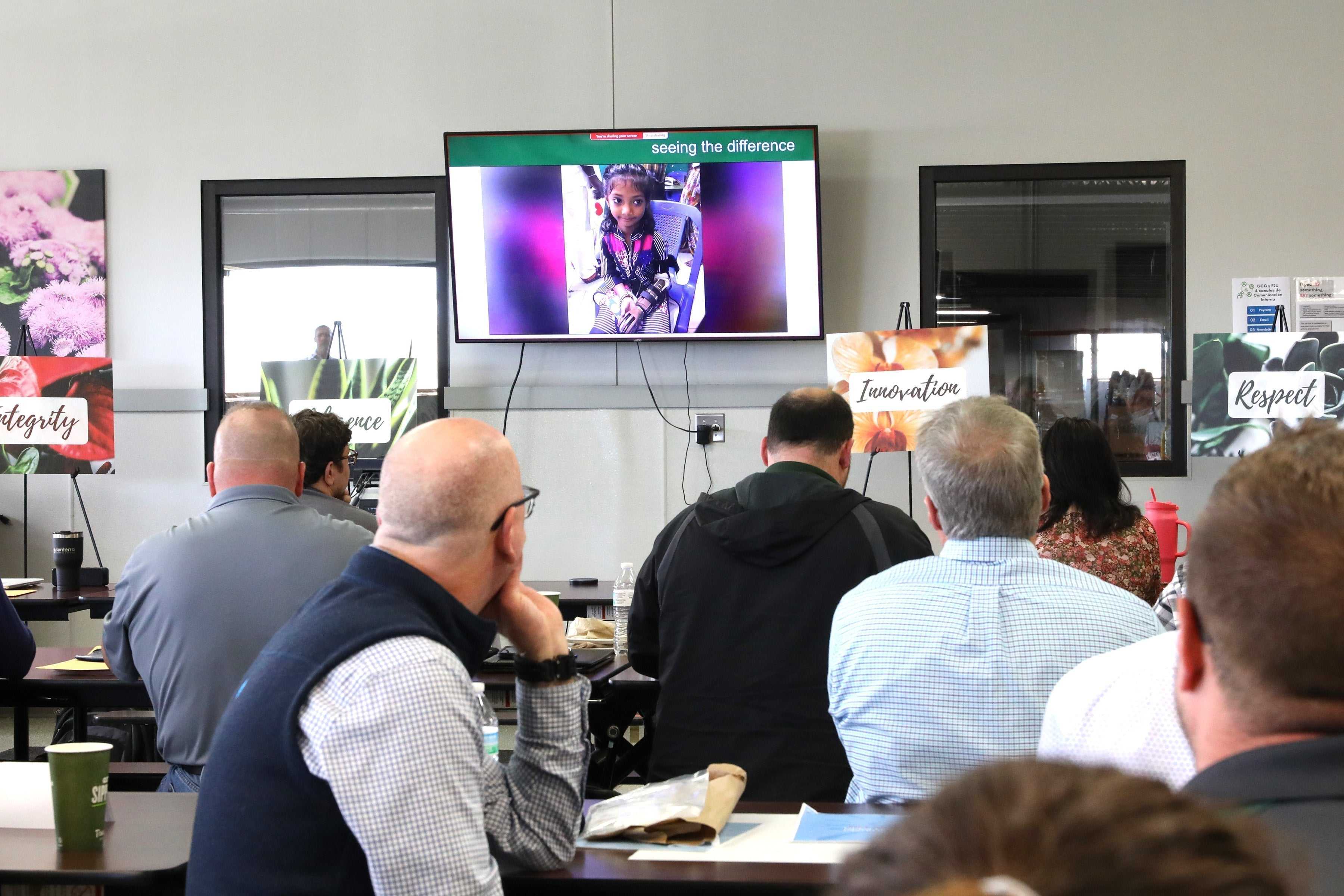
At Odyssey Teams, we’ve seen how philanthropic charitable team building can reshape emotional memory not just in meetings but across entire organizations. When teams engage in activities that serve others—building prosthetic hands, creating mosaics, or assembling Give Back kits—they experience collaboration in its purest form.
These experiences remind teams that their work has meaning beyond the office. They carry that energy into meetings, where collaboration feels purposeful rather than perfunctory. By integrating charitable team building into organizational culture, leaders can create a foundation of trust, empathy, and shared purpose that transforms every meeting.
The Leader’s Role
Ultimately, the leader sets the tone. If the leader is disengaged, the team will be disengaged. If the leader is passionate, the team will follow. Leaders must:
- Model enthusiasm and commitment.
- Frame meetings as opportunities for growth and success.
- Reinforce the value of each participant’s contribution.
- Create physical and emotional environments that foster engagement.
Conclusion: Meetings as Catalysts for Growth
Meetings don’t have to be dreaded obligations. With intentional design, they can become catalysts for growth, collaboration, and innovation. By reshaping emotional memory, addressing beliefs, and leveraging emotional energy, leaders can transform meetings into experiences that teams look forward to.
The strategies are simple: rotate seats, start with a stand, listen to beliefs, and embrace emotion. Yet their impact is profound. For over two decades, these practices have worked—every time.
At Odyssey Teams Inc., we believe that meetings should reflect the best of human collaboration. When combined with philanthropic charitable team building, meetings become more than productive—they become purposeful. They remind us that work is not just about tasks but about people, values, and impact.
So the next time your team gathers, remember: emotional memory matters. Design meetings that create positive experiences, and you’ll not only improve productivity—you’ll transform your culture.
Share:
Odyssey Teams: A Journey of Growth, Philanthropy, and Charitable Team Building
The Board Meeting: A Revolutionary Corporate Volunteer Team-Building Experience