
The Importance of Team Building
The importance of team building is increasing day by day. With the advent of COVID-19, 2,500% more firms are now investing in virtual team development on a global level. For a team to work effectively, its members first need to be bonded into a cohesive unit.
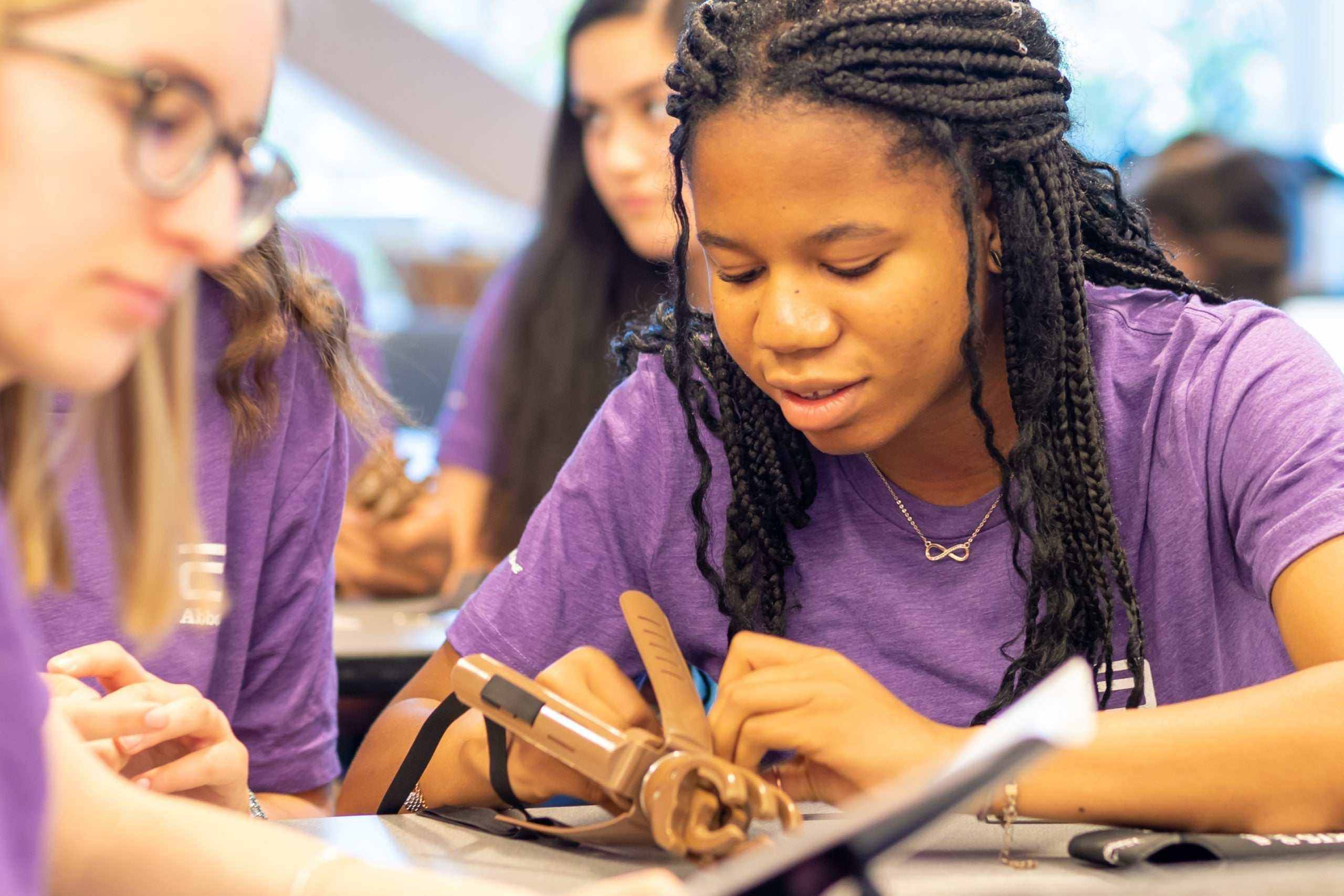
Team-building exercises improve interpersonal relationships among team members and foster trust and respect. In these activities, teams work together toward a common goal unrelated to work, making it a valuable way to spend time with colleagues and increase enthusiasm for upcoming projects.
Why Team Building Matters
Have you seen how crows protect their nests from predators? Individually, they are small compared to a mighty hawk. Yet, when they come together with a single purpose, they can defeat the hawk quickly. This illustrates the power of teamwork—a close-knit team can achieve incredible results for your business as well.
Team-building activities give employees a chance to:
-
Get to know each other
-
Foster positive relationships
-
Work together toward a common goal
Turn Colleagues Into Friends
If employees only discuss projects and deadlines, they rarely get to know each other as people. Knowing colleagues personally allows team leaders to understand strengths and weaknesses, helping employees maximize their potential.
When employees are familiar with each other:
-
Sharing responsibilities becomes easier
-
Work becomes more enjoyable
-
Productivity improves through collaboration
Build Trust
A team that lacks trust struggles in challenging situations. Team-building exercises, especially those enhancing communication skills, help members gradually develop trust in one another.
Small activities like adventure games or sports allow employees to rely on each other in low-risk scenarios, preparing them for high-stakes projects in the future.
Increase Productivity
Team building increases productivity not by adding more employees, but by enhancing collaboration. Employees can share problems and find solutions together, resulting in higher-quality work and more effective delegation.
A supportive team ensures tasks are performed efficiently, helping companies achieve goals faster.
Increase Employee Engagement
Engaged employees feel part of the team. Team-building activities:
-
Boost motivation and happiness
-
Encourage social interactions outside work
-
Strengthen employee retention
-
Enhance overall satisfaction
Improve Communication
Open communication is vital to business success. Team-building activities bring different personality types together, helping employees understand one another and communicate effectively.
Benefits include:
-
Honest feedback and transparent communication
-
Opportunities for shy employees to express ideas
-
Cross-departmental interactions that foster an open work environment
Learn New Skills
Teamwork provides opportunities to develop:
-
Conflict resolution
-
Problem-solving
-
Leadership skills
-
Collaboration
Employees can experience different roles and responsibilities, preparing future leaders for the company.
Encourage Innovation and New Ideas
A trusted team environment allows employees to share ideas freely, even unconventional ones. This fosters creativity and innovation, ensuring brainstorming sessions are productive and inspiring.
Improve Company Culture
Team-building activities help create an authentic company culture characterized by:
-
Mutual support
-
Open dialogue
-
Employees feeling valued
-
Employees being their authentic selves
What Does a Strong Team Look Like?
According to research from MIT's Human Dynamics Laboratory, high-performing teams exhibit:
-
Equal participation in discussions
-
Face-to-face interaction and idea sharing
-
Strong communication among members
-
Use of backchannel cues
-
Balanced collaboration with time for individual work and group check-ins
Examples of Team-Building Activities
Organizations can hold various team-building events to strengthen their workforce:
Adventure Activities
-
Sports, games, or trips that build leadership, trust, and knowledge of colleagues' abilities
Social Work
-
Volunteer work or helping those in need fosters team connection and empathy
Innovation Activities
-
Creating something new encourages idea sharing and creative collaboration
Team Building in the Time of COVID-19
COVID-19 accelerated virtual team-building efforts. Remote teams required new ways to engage employees and maintain collaboration. Companies invested in remote team-building exercises to foster connection behind the screen, and schools began virtual classroom teamwork activities.
Whether in-person, virtual, or hybrid, team building remains crucial for integrating new employees and promoting a sense of belonging from day one.
Conclusion
The phrase "teamwork makes the dream work" is more relevant than ever. Successful businesses understand the importance of team-building activities for both in-person and remote teams.
Benefits of team building include:
-
Engaged employees
-
Increased productivity
-
Stronger company culture
-
Enhanced collaboration and innovation
Fun activities—like games, adventurous sports, or social work—are investments that strengthen your workforce, your greatest asset, into a cohesive and high-performing unit.
Share:
Purpose Driven Work: How to Find It, Manage It, and Lead It.
Why is Team Building Important in the Corporate World?