
Life Cycles Bicycle Maintenance Tips: Keep Your Bike Rolling Smoothly
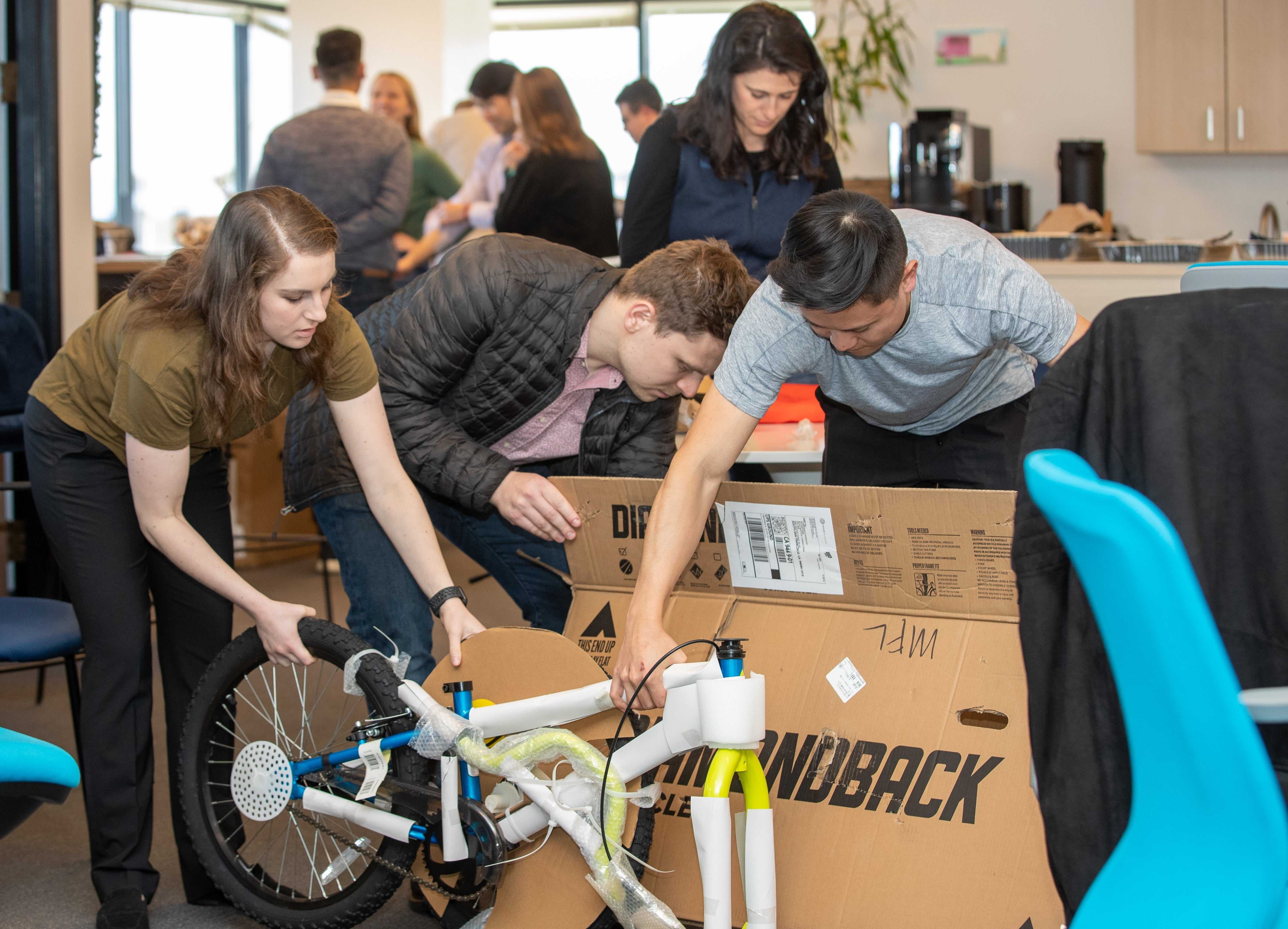
Life Cycles is proud to support communities by providing bicycles to individuals who rely on them for transportation. While many donated bikes go to children, a large number are given to adults who use them daily to commute, run errands, and stay mobile. Whether you’re young or old, a reliable bike can be life-changing—and keeping it in good condition is essential.
To help riders get the most out of their bicycles, Life Cycles offers practical, easy-to-follow bike maintenance tips that will keep your new ride running smoothly and safely for years to come.
Why Cleaning Your Life Cycles Bicycle Matters
A clean bike is a functional bike. Dirt, dust, and debris can easily lodge themselves into the drivetrain, gears, and moving parts, leading to skipping, stiffness, or slow response. Regular cleaning prevents mechanical issues before they begin.
Think of cleaning as preventative medicine for your bike. Just as brushing your teeth prevents cavities, washing your bike prevents costly repairs. A clean frame also helps you spot cracks, rust, or other damage early—before they become dangerous.
How to Clean Your Bike Properly
- Use water and either a gentle dish soap or a bicycle-specific cleaner.
- Pay close attention to the drivetrain, chain, and gears.
- Rinse thoroughly to remove any soap residue.
Keeping your bike clean also benefits the brake and shift cables. Dirt buildup in these areas can cause friction and slow response times. Life Cycles recommends washing your bike after every ride if possible, but at minimum, a thorough cleaning once per year will help preserve performance.
For riders who commute daily, a quick wipe-down of the chain and frame once a week can make a huge difference. If you ride in wet or muddy conditions, increase the frequency—your bike will thank you.
Listen to Your Bike: Sounds Matter
Your bike talks—you just need to be willing to listen. Strange noises often point to maintenance needs. Catching them early can extend the life of your bicycle and prevent more serious issues.
- Clicking or popping: Often means the chain is dry or misaligned.
- Grinding: Usually points to dirt in the drivetrain.
- Squealing brakes: A sign that pads or cables need attention.
Treat these sounds as your bike’s way of asking for help. Ignoring them can lead to bigger problems down the road.
Lubricate the Drivetrain
A well-lubricated drivetrain is the heart of smooth riding. Without proper lubrication, the chain and gears wear down faster and make pedaling inefficient.
Here’s how to lube your chain correctly:
- Rotate the pedals backwards.
- Add a small drop of chain lube to each link pin as it passes.
- Allow the lube to settle into the chain before wiping off the excess.
Lubricate after each cleaning or when your chain feels dry. A properly lubed chain not only makes riding easier but also reduces noise and extends the life of your gears.
Brake Maintenance: Safety Comes First
Your brakes are your most important safety system. Maintaining them is easy when you know the sounds and signs.
- When You Hear Scraping: A gritty scraping sound usually means your brake pads are worn down. If the grooves on the pads are faded or missing, it’s time for a replacement.
- When Brakes Feel Mushy: A soft or spongy brake feel typically means your brake cables need adjusting. Turn the barrel adjusters counterclockwise—either at the brake lever or at the brake arms—until the brakes feel responsive again.
This quick fix improves safety and makes braking more predictable. Remember: well-maintained brakes can be the difference between a safe stop and a dangerous accident.
Tighten Your Nuts and Bolts
Every bicycle has a collection of bolts that keep crucial parts secure. Over time, vibration and regular use can loosen them. A quick tightening session can prevent parts from shifting or failing mid-ride.
Important: Not all bikes use standard hardware. Many bicycles use metric components, so use the correct tools to avoid stripping bolts or causing damage.
A good habit is to check bolts on the handlebars, seat post, and wheels once a month. These are the areas most likely to loosen and most critical to rider safety.
Maintenance Doesn’t Have to Happen All at Once
Bike maintenance should feel manageable—not overwhelming. That’s why Life Cycles recommends a simple schedule to help riders stay on track. Follow the intervals below to keep your bike running at top performance.
Life Cycles Bicycle Maintenance Schedule
Once a Month
- Cycle through all your gears during a short ride to check shifting.
- Test both front and rear brakes—on flat ground and going downhill.
- Lubricate:
- Brake cables
- Shift cables
- Wheel axles
- Suspension fork sliders (if applicable)
Every 3 Months
- Inspect brake pads for wear (grooves should still be visible).
- Check the chainring and the cogs for damage or worn teeth.
- Tighten all nuts and bolts.
- Grease the seat post to prevent it from seizing inside the frame.
Every 6 Months
- Deep-clean the drivetrain thoroughly.
- Replace and re-lubricate the chain to reduce wear on the gears and cogs.
Long-Term Benefits of Consistent Maintenance
Regular maintenance isn’t just about avoiding breakdowns—it’s about maximizing the value of your bike.
- Safety: A well-maintained bike responds quickly and predictably, reducing the risk of accidents.
- Savings: Preventative care is far cheaper than major repairs or replacements.
- Sustainability: Extending the life of your bike reduces waste and supports eco-friendly transportation.
- Confidence: Knowing your bike is reliable makes every ride more enjoyable, whether you’re commuting or exploring.
Keep Pedaling with Confidence
This maintenance schedule, combined with regular cleaning and basic attention to your bike’s performance, will keep your Life Cycles bicycle running in top condition. These simple habits protect your bike, improve safety, and make every ride smoother and more enjoyable.
With proper care, your Life Cycles bike will reliably get you wherever you need to go—whether that’s work, school, errands, or simply enjoying the freedom that comes with two wheels.
If you’d like to learn more about Life Cycles, Odyssey Teams, or our community-focused team-building programs, we’d love to talk. Reach out anytime!
Share:
Improve Corporate Attitudes With Helping Hands
How to Talk to Kids During a Board Meeting: Connecting, Communicating & Building Together