
A Short and Sweet Lesson on Slowing Down for More Effective Leadership
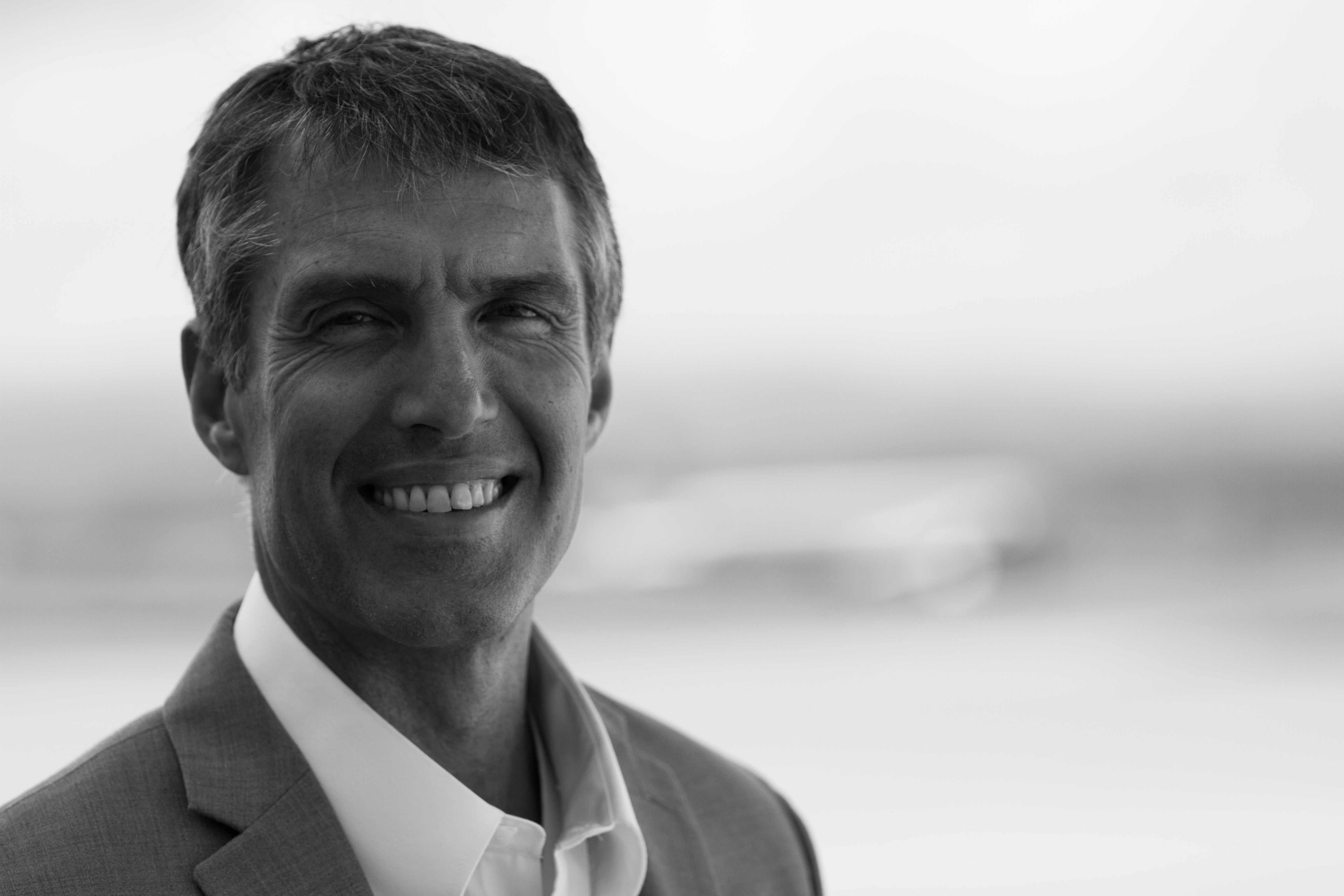
By: Todd Demorest, Odyssey Teams Chief Facilitation Officer
If you’ve ever driven up a steep mountain road and suddenly felt pressure build in your ears, you know the instinct: swallow hard, wiggle your jaw, and “pop” them to relieve the discomfort. Living on the Big Island of Hawaii, this became a regular part of my routine. Our home sat right at sea level, nestled on the coastline. The nearest town—Waimea, known for Parker Ranch—was a quick 15–20-minute drive up the slopes of the Kohala Mountains. In those 2,500 feet of elevation gain, your ears always popped.
One early morning, as I headed up the hill toward Waimea with the sun rising over Mauna Kea, I reached that familiar moment of pressure. I started to pop my ears—nothing new—until a thought caught me completely off guard:
“I shouldn’t have to be popping my ears. I’m not supposed to be moving up this hill this fast.”
That realization hit harder than the altitude.
The Body Wasn’t Designed for This Pace — And Neither Was I
Our bodies were designed to ascend slowly—on foot, on horseback, or maybe on a mule. Gradually. At a pace that allows our systems to naturally adjust to changing pressures. But when we speed things up far beyond what our physiology was built for, we force ourselves into a state of compensation. We intervene. We override.
And then I thought:
Where else in my life am I ascending too fast?
Where else am I forcing myself to keep pace with an unnatural velocity—fast enough that I have to intervene just to cope?
Sure, I could push through, “git ’er done,” grit my teeth, and function. That’s what leaders do, right? But every time I force it, I end up popping the figurative ears of my life through interventions like:
-
Taking ibuprofen daily for my 1 p.m. headache
-
Needing chiropractic adjustments multiple times a week
-
Wearing a night guard to keep me from grinding my teeth
-
Using something to help me fall asleep
-
Getting irritable with coworkers, customers, or the people I care about most
You can probably fill in your own version of these coping mechanisms.
When we move at excessive speed, we pay for it somewhere. Our bodies, our relationships, and our leadership all feel the strain.
Effective Leadership Lesson: Cope Less. Adjust More.
Once I saw this, three choices emerged—simple, not always easy:
1. Reduce the Speed
“Speed kills” isn’t just a driving warning. It’s a leadership reality.
The faster we move, the more mistakes we make, the more we react instead of respond, and the more we rely on adrenaline to carry us through. Speed creates pressure, and pressure creates compensations.
2. Reduce the Capacity
No leader can do everything.
The idea that we can—or should—handle it all is a story we tell ourselves. Reducing capacity isn’t weakness; it’s wisdom. It’s acknowledging human limits and respecting them.
3. Pause for 30 Seconds
This one surprised me with its power. Thirty seconds.
One breath cycle.
A moment of awareness.
Notice what’s happening in your body:
-
Shoulders creeping toward your ears
-
Jaw locked
-
Hands gripping the steering wheel or the phone or the desk
-
Breath shallow
-
Brain in “go mode”
Then release—literally let it go—with an exhale.
This micro-pause resets your system. It re-grounds you. And it opens space for clarity instead of chaos.
If you try only one thing, try this one.
The Wisdom of Going Slow for Effective Leadership
James Taylor once sang:
“The secret of life is enjoying the passage of time.
Any fool can do it; there ain’t nothing to it…”
And of course, he’s right.
But leaders often need reminding. We’re conditioned to move fast, achieve more, check the next box, and drive up the metaphorical mountain as quickly as possible.
Yet leadership effectiveness doesn’t come from speed.
It comes from presence, intention, and pacing ourselves in a way our bodies—and our teams—can reasonably keep up with.
Slowing down is not a luxury.
It’s leadership competence.
Slow Down. Pause. You—and Your Team—Are Worth It.
If there’s one message I weave into every Odyssey Teams program I facilitate, it’s this:
Leaders must slow down to be effective.
This isn’t theory to me. It’s practice. It’s how I live. It’s how I move through the world—with an intentional pace that aligns with my human design, not with the unrealistic velocity our culture constantly pushes.
And when leaders model this, their teams follow.
Pace is contagious—whether frantic or calm.
So today, take 30 seconds.
Right now, even.
Notice your breath. Notice the tension. Notice what your body is quietly trying to tell you.
Then exhale.
Do it again later.
And again tomorrow.
Three times a day is a great start.
Your leadership will thank you for it.
Your relationships will thank you for it.
Your body will thank you for it.
And so will your team.
Learn More About Odyssey Teams’ Leadership Programs
Todd’s lesson on slowing down for more effective leadership is just one of the many principles woven into Odyssey Teams programs. If you'd like to learn more about intentionally paced leadership development, reach out:
📩 learn@odysseyteams.com
📞 800-342-1650
Share:
A Decade of Impact: Joyful Partnerships and Philanthropic Team Building at Texas McComb
Lain Hensley and Odyssey's Approach to Corporate Team Building