
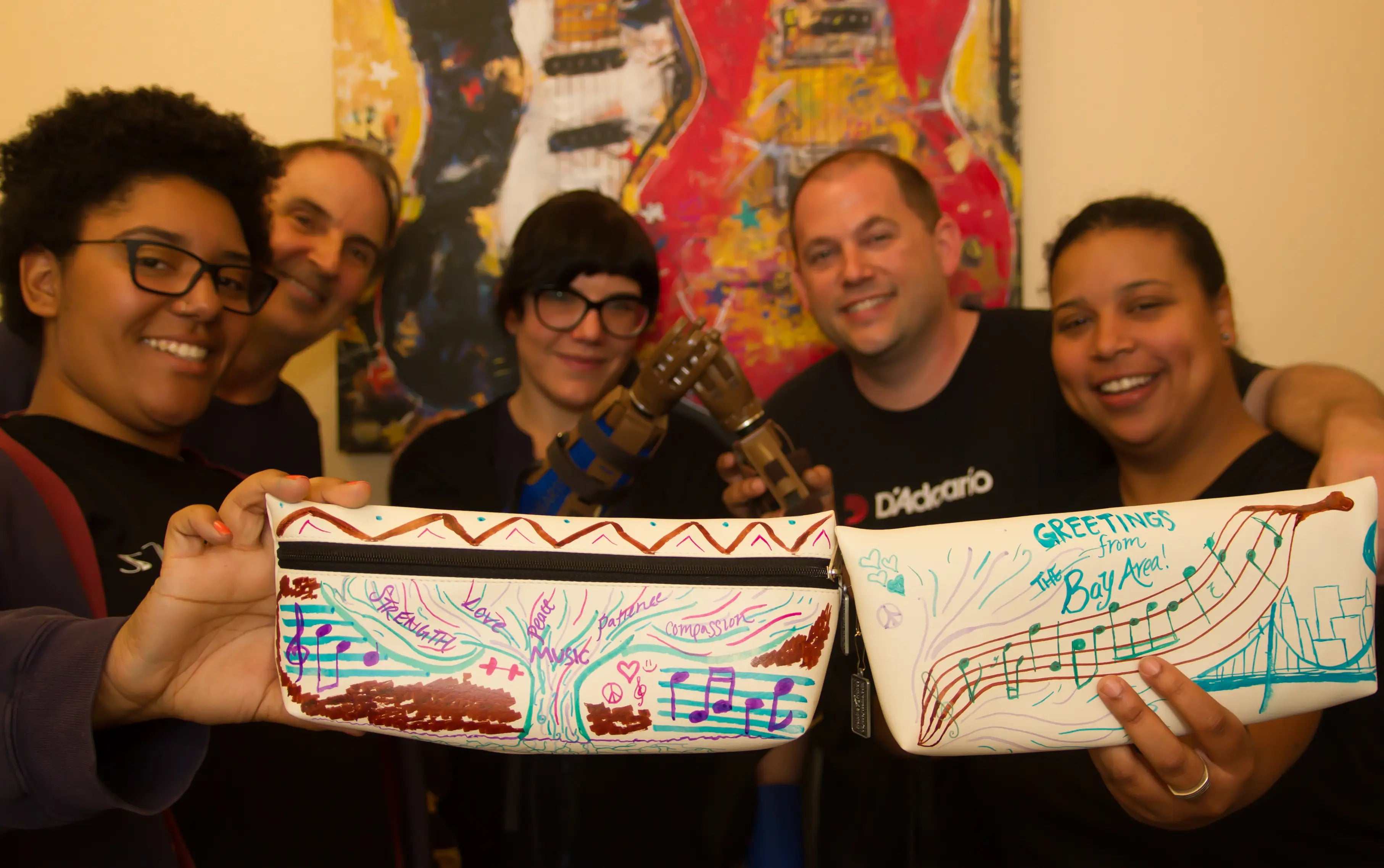
In the rapidly evolving landscape of 2026, the modern workforce has hit a breaking point with "performative" corporate culture. Traditional icebreakers and surface-level retreats are no longer enough to bridge the growing "empathy recession" or combat the 60% of workers currently experiencing digital burnout. Today’s leaders are discovering that the only way to truly unify a distributed team is through experiential social impact—a methodology that moves beyond passive giving and into transformative, hands-on action. By integrating real-world service into professional development, organizations are finding a rare "double win": they solve critical community needs while simultaneously building the high-trust, high-accountability teams required to thrive in a volatile market.
The Crisis of Connection in 2026
We are standing at a cultural tipping point. According to recent 2026 workforce reports, employee engagement has plummeted globally, with only 21% of workers describing themselves as truly engaged. The "novelty" of remote and hybrid work has worn off, leaving behind a trail of isolation; nearly 25% of remote employees now report feeling "lonely" on a daily basis.
When teams are disconnected, the business costs are staggering. Organizations with low engagement suffer from 51% higher turnover rates and significantly lower productivity. The standard "solution"—another Zoom happy hour or a catered lunch—acts as a mere band-aid on a deep structural wound. What teams actually crave is meaningful contribution. They don't just want to know how their work drives profit; they want to see how it drives change.
Defining Experiential Social Impact
So, what separates a standard CSR (Corporate Social Responsibility) initiative from a true Odyssey Teams experience? The answer lies in the "experiential" component. Experiential social impact is the practice of learning elite professional skills through the act of serving others. It is the difference between writing a check to a charity and hand-assembling a prosthetic limb for a landmine survivor.
When a team engages in experiential social impact, they aren't just "volunteering." They are under pressure. They are managing resources. They are communicating across silos. They are practicing the exact behaviors needed in the boardroom, but the stakes are higher because a real human being is waiting for the result.
The Statistics of Purpose: Why It Works
The data supporting this shift is undeniable. Research shows that employees who participate in purpose-driven programs are 24% less likely to leave their company. For new hires—those who have been with a firm for less than 2.5 years—that retention benefit jumps to a staggering 52% lower turnover rate.
But the impact isn't just on retention. Highly engaged teams, fueled by a sense of shared purpose, deliver:
- 23% higher profitability
- 14% higher overall productivity
- 10% higher customer loyalty
By shifting the focus from "me" to "we" through experiential social impact, leaders activate a psychological mechanism known as the "helper’s high," which has been proven to reduce stress and increase feelings of workplace belonging more effectively than any other intervention.
Odyssey Teams Programs in Action
Odyssey Teams has spent over 35 years refining the art of the "build." Each program is meticulously designed to mirror specific corporate challenges while delivering life-changing results to recipients.
1. Life Cycles: Building More Than Bikes
In the Life Cycles program, teams are tasked with assembling high-quality bicycles for children in need. On the surface, it’s a mechanical challenge. Beneath the surface, it’s a lesson in "The Power of One"—how a single person's contribution affects the final safety of the product.
- The Transformation: Participants often start by focusing on their own speed. By the end, when the children walk into the room to claim their bikes, the focus shifts entirely to the "customer." This direct connection is a cornerstone of experiential social impact, teaching teams to prioritize the end-user in everything they do.
- The Impact: With over 25,000 bicycles donated to date, this program has become a global standard for corporate empathy.

2. Build-a-Hand: The Ultimate Perspective Shift
The Build-a-Hand project is perhaps the most intense form of experiential social impact. Teams build prosthetic hands that are distributed to amputees in developing nations.
- The Lesson: To build the hand, participants must often "disable" their dominant hand, forcing them to rely on teammates and develop profound empathy for the recipient.
- Business Application: It shatters the "silo" mentality. You cannot build a prosthetic hand alone; it requires precise communication and a total lack of ego.

3. The Playhouse Challenge: Designing for Dreams
For teams focused on role clarity and project management, the Playhouse Challenge assigns specific titles like "Safety Inspector" and "Design Manager."
- The Stakes: If the "Safety Inspector" fails to do their job, the house isn't just "wrong"—it’s potentially unsafe for the child who will receive it. This reinforces the concept of "shared accountability" in a way that a PowerPoint never could.
- Scale: Odyssey has facilitated the build of thousands of playhouses, each providing a safe space for children in shelters or underserved communities.

Overcoming the "Empathy Recession" with Experiential Social Impact
As we move further into 2026, the "Empathy Recession"—a term coined to describe the decline in interpersonal trust—threatens to stall innovation. If teammates don't trust one another, they won't take the risks necessary to stay competitive. Experiential social impact serves as a radical intervention. It forces individuals to drop their workplace "masks" and connect on a primal, human level.
When a team completes a Board Meeting (skateboard build) and hands those boards to local youth, they aren't just colleagues anymore. They are a group of people who did something good together. That shared memory becomes the "cultural glue" that sustains them during high-stress quarters.
Strategy: Implementing Experiential Social Impact in Your Org
How can you move from "interest" to "action"?
- Define Your Pain Point: Are you struggling with siloed communication? Try the Playhouse Challenge. Is your team feeling "purposeless"? Look into Build-a-Hand.
- Measure the "Return on Inspiration": Don't just look at the event photos. Survey your team 30, 60, and 90 days later. You will likely see a sustained lift in engagement scores.
- Make it a Ritual: One event is a great start, but experiential social impact should be part of your company's DNA. Consider annual "impact summits" where teams return to the "build" to reset their culture.
The Future belongs to the Purpose-Driven
The organizations that will lead in the next decade are those that recognize work is no longer just a place you go—it’s an ecosystem of people, technology, and purpose. By embracing experiential social impact, you aren't just checking a CSR box. You are equipping your people to lead with heart, to communicate with clarity, and to show up for your clients with a renewed sense of what is possible.
The world doesn't need more "team building." It needs more teams that build a better world.
Ready to transform your culture through experiential social impact?
Explore the full range of Odyssey Teams CSR Programs or book a discovery call to design your team's next life-changing moment.
Share:
CSR vs ESG: Why Responsible Business Starts With People - Not Metrics
The Season of Belonging: Maximizing Philanthropic Team Building ROI 2026