
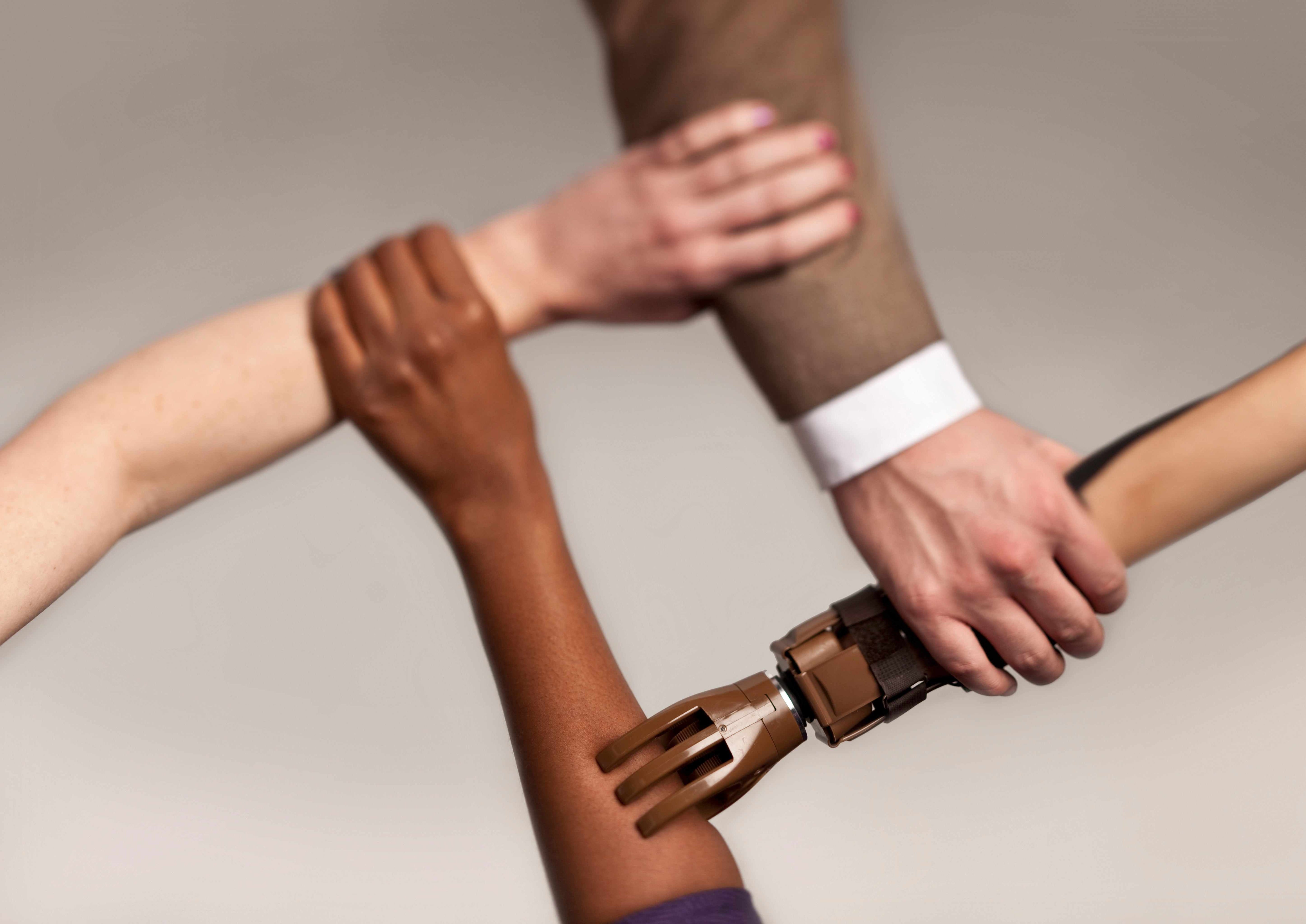
The Build-a-Hand program is more than an assembly challenge—it’s a living example of workplace culture in action. As teams construct prosthetic hands for individuals who’ve lost limbs due to war, accidents, or illness, they’re not just building devices—they’re building trust.
That trust fuels collaboration, strengthens relationships, and transforms challenges into victories. And while trust isn’t built overnight, programs like Build-a-Hand accelerate it through shared purpose, meaningful conversations, and actions that demonstrate care and commitment.
Why Team Building Questions Matter
A strong team isn’t just about skill sets - it thrives on relationships. Studies consistently show that teams with high trust levels outperform those with weaker interpersonal connections. Trust fuels collaboration, resilience, and innovation, helping teams navigate challenges with confidence and adaptability.
Research from the American Psychological Association (APA) emphasizes that teams built on trust experience higher psychological well-being, which in turn enhances creativity, motivation, and productivity. Employees in high-trust teams report greater job satisfaction and engagement, reducing turnover rates and fostering a positive workplace culture.
This principle extends beyond office settings. Sports teams with strong interpersonal bonds consistently outperform more technically skilled but disconnected teams. A study on Olympic athletes found that team chemistry and trust were stronger predictors of success than individual talent alone.
Additionally, a study from the University of Michigan’s Ross School of Business found that companies with high levels of trust saw marked improvements in employee problem-solving and adaptability, leading to more agile and competitive organizations.
That’s where team building questions come in. Thoughtful, reflective questions encourage vulnerability, self-awareness, and deeper connections, creating space for meaningful dialogue. Authentic conversations pave the way for stronger interpersonal relationships, ensuring that team members feel valued, heard, and empowered to contribute.
For example, NASA’s mission teams use structured team building dialogues to enhance collaboration in high-pressure environments. Trust-based conversations have been shown to improve decision-making and crisis response in situations where precision and teamwork are crucial.
By integrating purpose-driven questions into daily interactions, organizations strengthen connections, improve team resilience, and cultivate a culture where trust drives collective success.

How the Build-a-Hand Program Strengthens Relationships
The Build-a-Hand program embodies this principle beautifully. Teams come together to assemble prosthetic hands for amputees worldwide, creating something tangible that changes lives. But trust-building doesn’t stop with assembling a hand—it’s in the conversations, reflections, and shared purpose that emerge during the process.
So, what if we used intentional questions to spark deeper connections in our teams? What if we took the spirit of the Build-a-Hand program and applied it to our daily interactions?
Here are four categories of questions to strengthen relationships and align with the spirit of the Build-a-Hand program:
1. Personal Growth & Reflection
These questions encourage self-awareness and help team members appreciate each other’s journeys.
-
What’s a challenge you overcame that shaped who you are today?
-
What’s one skill you bring to a team that makes a difference?
-
What’s a lesson you learned from failure that helped you grow?
-
What’s a moment in your life that changed your perspective?
-
How does giving back - whether through the Build-a-Hand program or another initiative - impact your view on teamwork?
2. Connection & Trust
These questions help teams build stronger relationships by encouraging empathy and understanding.
-
What’s a story you’ve never shared but wish you could?
-
What’s something you appreciate about a teammate that they might not realize?
-
What’s a time when someone’s kindness made a lasting impact on you?
-
What’s a moment when you felt truly supported by a team?
-
How do you define trust in a team setting?
3. Purpose & Impact
These questions inspire teams to think beyond their work and embrace a greater mission.
-
What’s a cause or initiative that deeply resonates with you?
-
How do you think small acts of kindness shape a team’s culture?
-
What’s a way your work has made a difference in someone’s life?
-
What’s a moment when you felt proud to be part of a team?
-
How does Build-a-Hand reflect the values of teamwork and trust?
4. Leadership & Influence
These questions encourage reflection on leadership, collaboration, and stepping up in key moments.
-
What’s a moment when you stepped up as a leader, even unexpectedly?
-
How do you empower others to contribute in a team setting?
-
What’s the best teamwork experience you’ve ever had?
-
What qualities make someone a great team player?
-
How can leaders cultivate a culture of trust in their teams?
These conversations go beyond simple exchanges - they shape the way teams interact, collaborate, and support one another. When people feel heard, valued, and aligned with a common mission, trust becomes more than just a concept - it becomes the foundation that strengthens relationships and drives impactful action.

Trust Built Through Shared Purpose
The true value of the Build-a-Hand program goes beyond the physical act of assembling the hands—it’s in the trust built through collaboration, the shared purpose that unites teams, and the deeper connections forged through meaningful conversations. The process serves as an inspiring metaphor for teamwork:
-
Every role matters – Just as each component of a prosthetic hand plays a crucial function, every individual contributes to the collective success of a team.
-
Trust is built through shared experiences – No single person can assemble a hand alone - just as great teams depend on trust, collaboration, and mutual support.
-
Empathy drives connection – Learning about the recipients of these prosthetic hands fosters a sense of purpose and shared humanity, strengthening bonds among team members.
Through the Build-a-Hand program, teams don’t just assemble a device - they build trust, strengthen relationships, and gain a renewed sense of mission.
The Emotional Depth of the Experience
Teams often begin the Build-a-Hand program focused on technical assembly, but as the process unfolds, something profound happens. Conversations shift from logistics to personal reflections - stories of resilience, kindness, and overcoming challenges.
Many participants describe moments of realization and emotional impact—understanding that the hands they are building will help someone regain mobility, independence, and confidence. The experience leaves teams with not just stronger relationships but a deeper understanding of the power of collective action.
Applying the Lessons of the Build-a-Hand Program to Everyday Teamwork
The principles of collaboration, empathy, and shared success don’t have to stay within structured exercises - they can be woven into everyday conversations, meetings, and leadership interactions.
What if we used intentional questions to spark deeper connections? What if we took the spirit of the Build-a-Hand program - the idea that trust is built through meaningful dialogue and shared experiences - and applied it to our daily interactions?
Great teams don’t just complete tasks - they build trust, one conversation at a time.
The Science Behind Trust in Teams
Trust isn’t just an abstract concept - it has tangible effects on workplace dynamics, influencing everything from productivity to emotional well-being. In environments where trust is strong, people feel psychologically safe, meaning they are more willing to take risks, communicate openly, and collaborate effectively.
Research from Harvard Business Review reveals that high-trust workplaces have measurable advantages:
-
Increased energy & collaboration – Employees in high-trust environments experience 106% more energy at work, leading to stronger teamwork and engagement.
-
Reduced stress & improved well-being – Workers in trusting teams report 74% less stress and 40% lower burnout rates compared to those in low-trust environments.
-
Greater innovation & problem-solving abilities – Teams with strong trust levels are 50% more productive and show increased adaptability when facing challenges.
(Source: Harvard Business Review – The Neuroscience of Trust)
Why Trust Transforms Teams
High-performing teams don’t just rely on individual talent—they thrive because of shared trust, accountability, and a culture of psychological safety. One of the best ways to build this trust is through shared experiences like the Build-a-Hand program that reinforce teamwork and mutual investment.
Take Google’s Project Aristotle, a study on what makes teams successful. Researchers discovered that psychological safety—the belief that one’s ideas will be valued and respected—was the #1 predictor of high-performance teams. When individuals feel safe to express themselves, creativity flourishes, communication improves, and team bonds strengthen. (Source: Google Re:Work)
Trust in Action: The Power of Purpose-Driven Projects
Hands-on, collaborative projects - whether in corporate social responsibility (CSR) programs, volunteer initiatives, or internal team exercises - create natural trust-building opportunities. These experiences remove hierarchy and competition, emphasizing collaboration over individual achievement.
The concept behind hands-on initiatives, such as assembling prosthetic limbs for individuals in need, mirrors the essential components of trust in teams:
-
Patience – Teams must work together, learning from mistakes and adapting to challenges.
-
Shared success – The final product is a result of collective effort, reinforcing trust in each other’s abilities.
-
Mutual investment – When the work is tied to a meaningful mission, teams feel personally connected to the outcome.
Trust is not passively built - it is actively created through shared experiences, vulnerability, and a commitment to a greater purpose. Whether in corporate settings, nonprofit collaborations, or grassroots community work, trust-building exercises allow teams to strengthen their bonds in ways traditional work structures often fail to facilitate.
The stronger the trust, the stronger the team.
Taking Action: Building Trust Beyond the Build-a-Hand Program
Team-building questions don’t have to stay within formal exercises. They can be woven into everyday conversations, meetings, and even social interactions. Trust grows when leaders model vulnerability, when team members support each other, and when shared purpose takes center stage.
If your team is looking for a transformative experience that combines trust-building with real-world impact, Build-a-Hand is the perfect initiative. It’s a reminder that great teams don’t just talk about trust—they build it, one connection at a time.
Ready to take your team to the next level? Learn more about the Build-a-Hand program and bring purpose-driven teamwork to your organization.
Share:
Odyssey Teams: Building Authentic Leadership Through Experiential Learning
Workplace Culture is Fading - Here’s How a Few Dollars Can Save It